

ARCHAEOLOGY HAS TRANSFORMED “STONES” INTO “HERITAGE”: THE PRODUCTION OF A HERITAGE SITE THROUGH INTERACTIONS AMONG ARCHAEOLOGY, TOURISM, AND LOCAL COMMUNITIES IN TURKEY
DOI:
https://doi.org/10.5380/his.v66i1.57404Keywords:
archaeology, heritage protection, excavation, tourism, TurkeyAbstract
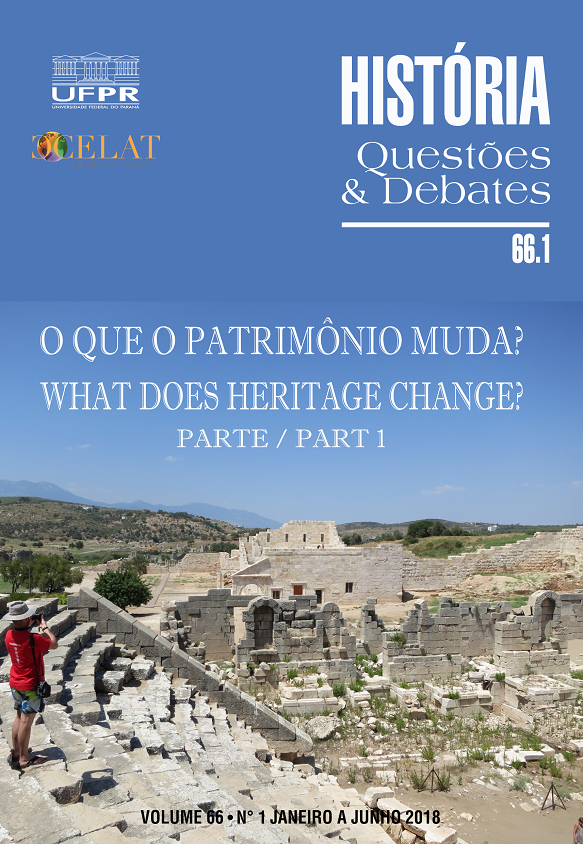
This paper explores how archaeology changes the relationship between different interest groups and the material remains of the past, in the context of archaeological excavation and tourism development. This paper uses the case of Patara, a small resort village in southern Turkey, to examine the role of historical sites marked as “heritage” in the context of archaeological excavation and tourism development. In particular, it focuses on how the relationships among locals, archaeologists, tourists, and the remains of the ancient city of Patara have been changed through the progress of archaeological excavations and the ensuing heritage management. In analyzing the process of archaeological excavation and tourism development in Patara, this paper also suggests that the excavated archaeological site of Patara itself works in changing the relationships among various groups with vested interests in the site.
Downloads
Downloads
Published
How to Cite
Issue
Section
License
Direitos Autorais para artigos publicados nesta revista são do autor, com direitos de primeira publicação para a Revista. Em virtude da aparecerem nesta revista de acesso público, os artigos são de uso gratuito, com atribuições próprias, em aplicações educacionais e não-comerciais.
Os textos da revista estão licenciados com uma Licença 
Creative Commons Atribuição-NãoComercial-CompartilhaIgual 4.0 Internacional.
