
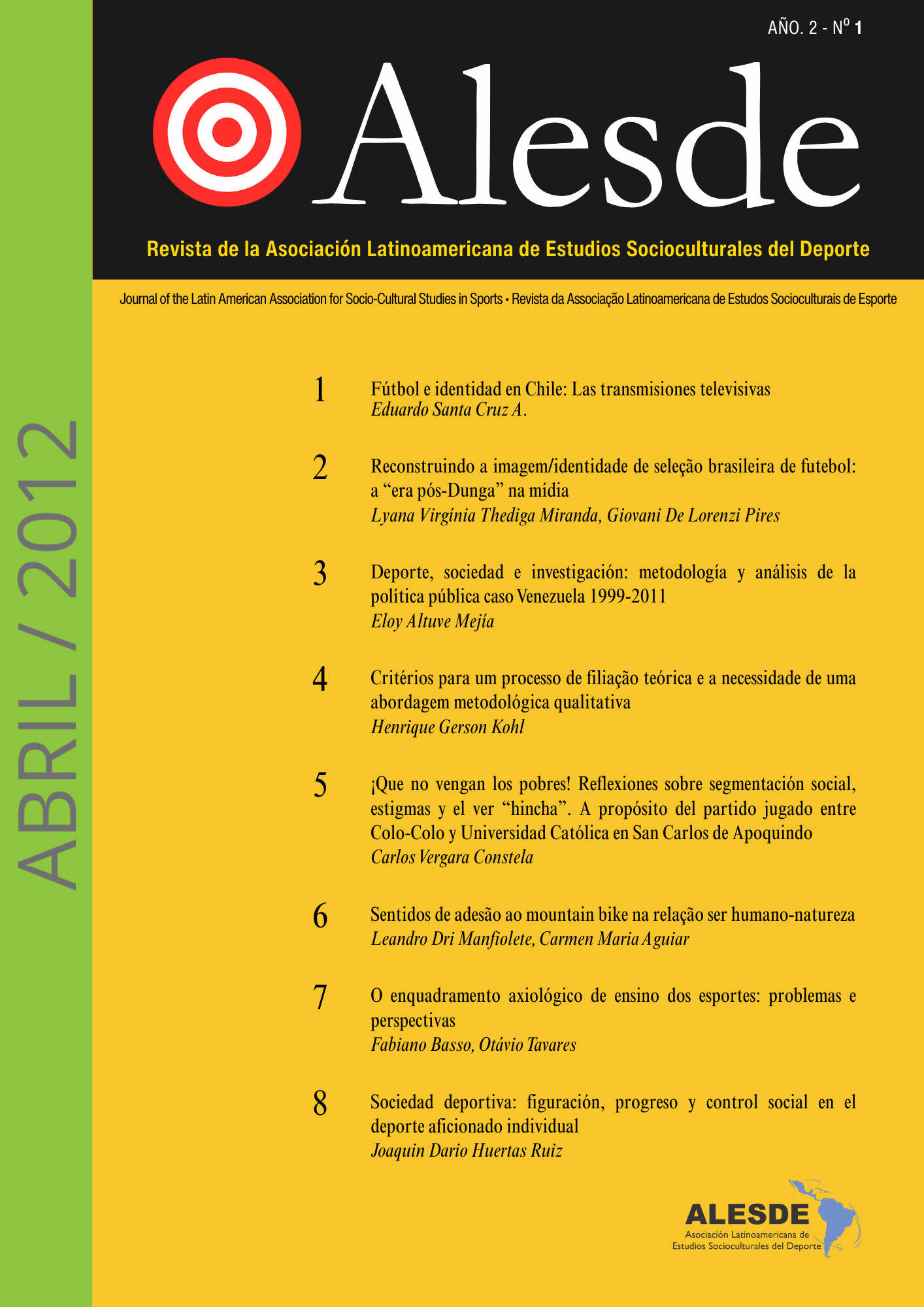
CRITÉRIOS PARA UM PROCESSO DE FILIAÇÃO TEÓRICA E A NECESSIDADE DE UMA ABORDAGEM METODOLÓGICA QUALITATIVA
DOI:
https://doi.org/10.5380/alesde.v2i1.20587Palavras-chave:
Pesquisa, Metodologia, Figuração, História Oral.Resumo
O artigo em questão busca contribuir para a compreensão da complexa conjuntura que abarca um objeto de pesquisa como condição indispensável de um processo de filiação teórica para ser possível (re)pensar a realidade do objeto. Desprovidos de uma teoria, caímos no risco de expressarmos considerações equivocadas da realidade investigada. A teoria deve ser provida de conceitos articulados e que refutem qualquer compreensão fragmentada da realidade. A adoção de uma teoria não significa adesão ao “teórico da moda”, via recortes gratuitos de textos para figuração de pretextos desprovidos de contextos. Ela orienta o(a) pesquisador(a) para um constante e rigoroso (re)pensar da realidade para a construção de um conhecimento que seja socialmente relevante e cientificamente correto. Destarte, discutiremos nosso processo de filiação teórica fundamentando opções epistemológicas de uma pesquisa em andamento ao nível de doutoramento pela Linha de Pesquisa de Teoria e História da Educação do Programa de Pós-graduação em Educação da Universidade Federal de Pernambuco.
Downloads
Publicado
Como Citar
Edição
Seção
Licença
Autores que publicam nesta revista concordam com os seguintes termos:- Autores mantém os direitos autorais e concedem à revista o direito de primeira publicação, com o trabalho simultaneamente licenciado sob a Creative Commons Attribution License que permitindo o compartilhamento do trabalho com reconhecimento da autoria do trabalho e publicação inicial nesta revista.
- Autores têm autorização para assumir contratos adicionais separadamente, para distribuição não-exclusiva da versão do trabalho publicada nesta revista (ex.: publicar em repositório institucional ou como capítulo de livro), com reconhecimento de autoria e publicação inicial nesta revista.
- Autores têm permissão e são estimulados a publicar e distribuir seu trabalho online (ex.: em repositórios institucionais ou na sua página pessoal) após o processo editorial, já que isso pode gerar alterações produtivas, bem como aumentar o impacto e a citação do trabalho publicado (Veja O Efeito do Acesso Livre).